
Introduction
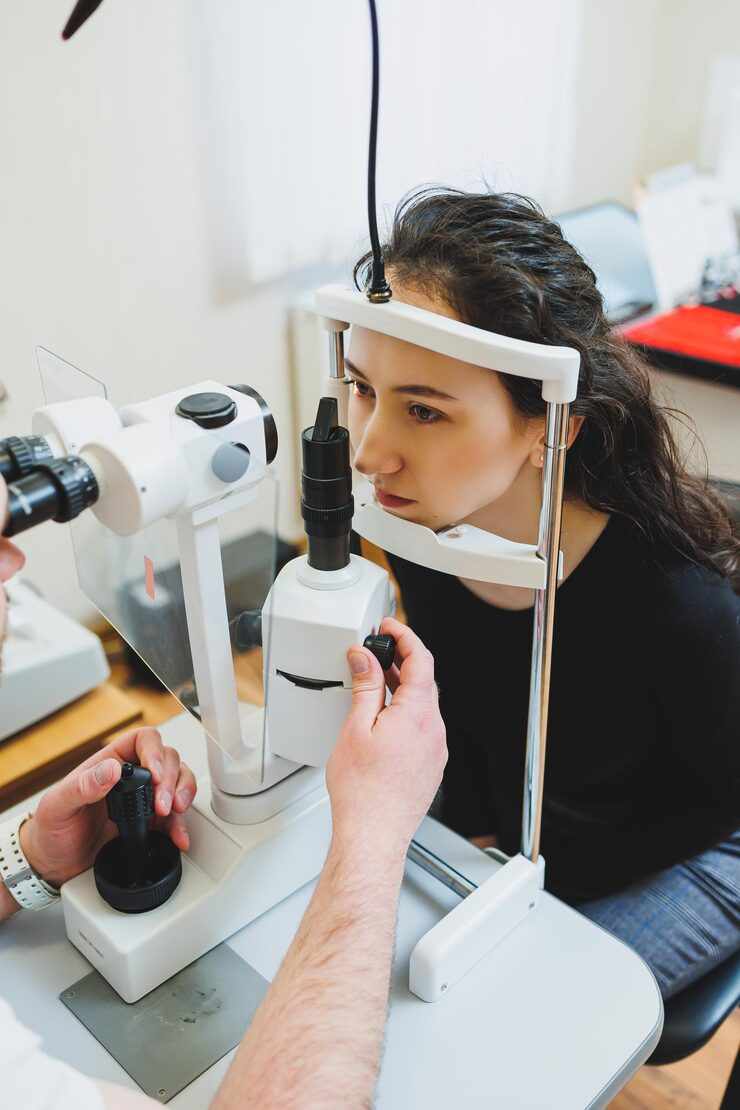
A Police Eye Exam is a critical part of the selection process for aspiring law enforcement officers. Vision is essential for safely performing duties such as driving, identifying suspects, and maintaining situational awareness. Many applicants, however, make avoidable mistakes that can affect their exam results. Understanding these common pitfalls and learning how to prevent them can increase the chances of passing the eye exam successfully. Proper preparation and guidance from a qualified optometrist can make a significant difference, ensuring applicants meet the strict visual standards required for law enforcement careers.
1: Neglecting Regular Eye Exams Before the Police Exam
One of the most common mistakes applicants make is assuming that their vision is fine without recent testing. Even minor changes in vision can impact exam results. Skipping regular eye exams means potential issues may go unnoticed until the police eye exam. Candidates should schedule a comprehensive eye exam with a qualified optometrist well in advance. Early detection allows for corrective measures, whether prescription updates, lens adjustments, or vision therapy. Regular monitoring ensures that your vision is optimized, preventing surprises during the official police eye exam.
2: Arriving Unprepared Without Corrective Lenses
Some applicants underestimate the importance of bringing their eyeglasses or contact lenses to the exam. Even if vision seems normal, failing to use corrective lenses when required can lead to failing visual acuity tests. Candidates should ensure that lenses are current, clean, and properly fitted. Contact lens wearers should have spare lenses or backup glasses. Preparation also includes knowing the prescription details, as optometrists may verify lens strength. Bringing the correct corrective lenses ensures optimal performance during the eye exam.
3: Ignoring Eye Health and Comfort
Eye strain, dryness, or fatigue can affect performance during a police eye exam. Candidates who spend long hours on digital devices or do not rest their eyes may experience temporary blurriness. It is essential to maintain eye comfort in the days leading up to the exam. Simple steps such as using artificial tears, taking screen breaks, and getting adequate sleep can prevent temporary vision issues. Ignoring eye health can lead to inaccurate test results and unnecessary stress. Maintaining overall eye wellness ensures that vision is at its best during the exam.
4: Misunderstanding the Exam Requirements
Police eye exams often have stricter criteria than standard eye exams. Candidates sometimes assume that passing a routine eye checkup is sufficient. However, police exams test visual acuity, depth perception, peripheral vision, color vision, and sometimes night vision. Applicants should familiarize themselves with the specific requirements of the police department they are applying to. Understanding the standards helps candidates focus their preparation and ensures they meet all necessary criteria. Consulting an optometrist experienced with police eye exams can provide clarity on what to expect.
5: Failing to Practice Depth Perception and Peripheral Vision
Many applicants overlook depth perception and peripheral vision exercises. While these skills can be assessed naturally, practicing in advance can improve accuracy and confidence. Activities like catching a ball, navigating obstacle courses, or using visual tracking exercises can help strengthen these visual skills. Proper preparation ensures that candidates perform well on tasks that test spatial awareness. Eye doctors can provide guidance and recommend exercises to optimize visual performance before the exam.
6: Neglecting Follow-Up on Vision Concerns
Candidates who notice vision changes but delay seeking professional advice risk failing the exam. Even minor vision fluctuations can affect visual acuity and depth perception results. Timely consultation with an optometrist ensures that any issues are addressed promptly. Corrective measures, prescription updates, or vision therapy can be implemented before the official police eye exam. Follow-up care provides reassurance and increases confidence, helping candidates perform at their best.
7: Not Preparing for Stress and Exam Conditions
Nervousness or stress can temporarily affect vision, particularly during high-stakes assessments. Candidates may squint, misjudge distances, or have difficulty focusing. Practicing relaxation techniques, maintaining good sleep, and understanding the exam procedure can reduce anxiety. Optometrists may simulate exam conditions to familiarize applicants with the process. Being mentally prepared helps candidates remain calm, focused, and perform accurately under pressure.
8: Ignoring Lifestyle Factors Affecting Vision
Lifestyle choices such as poor nutrition, smoking, or inadequate hydration can influence eye health and performance. A diet rich in vitamins and minerals supports retinal health and overall vision. Proper hydration ensures that eyes remain moist and comfortable. Candidates should avoid activities that can temporarily affect vision, such as prolonged screen time without breaks, excessive alcohol, or lack of sleep. Maintaining a healthy lifestyle contributes to optimal performance during the police eye exam.
Conclusion
Passing a Police Eye Exam requires more than just good vision—it demands preparation, awareness, and proper care. Common mistakes like neglecting regular eye exams, misunderstanding requirements, failing to use corrective lenses, or ignoring eye health can be easily avoided with professional guidance. Early preparation, practice, and consultation with a qualified optometrist significantly increase the likelihood of success. For applicants in Mississauga seeking expert advice and preparation for police eye exams, Meadowvale Optometry provides professional eye assessments, guidance on visual standards, and personalized recommendations to help candidates meet the strict vision requirements confidently and successfully.



Write a comment ...