Introduction
A Police Eye Exam is a crucial part of the recruitment and certification process for law enforcement in Mississauga. Clear vision and accurate visual performance are essential for safety, situational awareness, and job effectiveness. Understanding what the exam entails, preparing properly, and knowing the standards helps candidates feel confident and perform successfully. This guide outlines the process, expectations, and preparation tips to ensure you are ready for your police eye examination.
Purpose of the Police Eye Exam
The primary goal of a police eye exam is to ensure that candidates meet the visual acuity and functional vision standards required for law enforcement duties. Clear distance vision, depth perception, peripheral awareness, and color vision are all assessed. Officers rely on their eyes for driving, identifying suspects, and responding quickly to emergencies. Ensuring candidates have optimal visual capabilities is essential for safety, performance, and public trust, making the exam a critical part of the recruitment process.
Components of the Exam
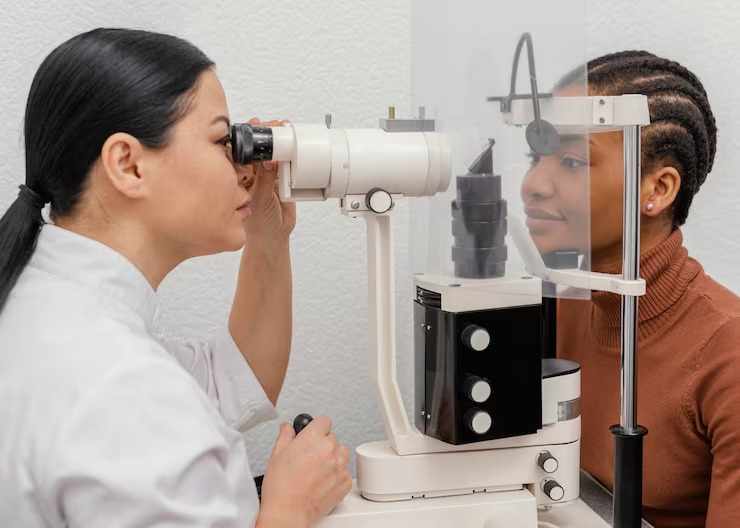
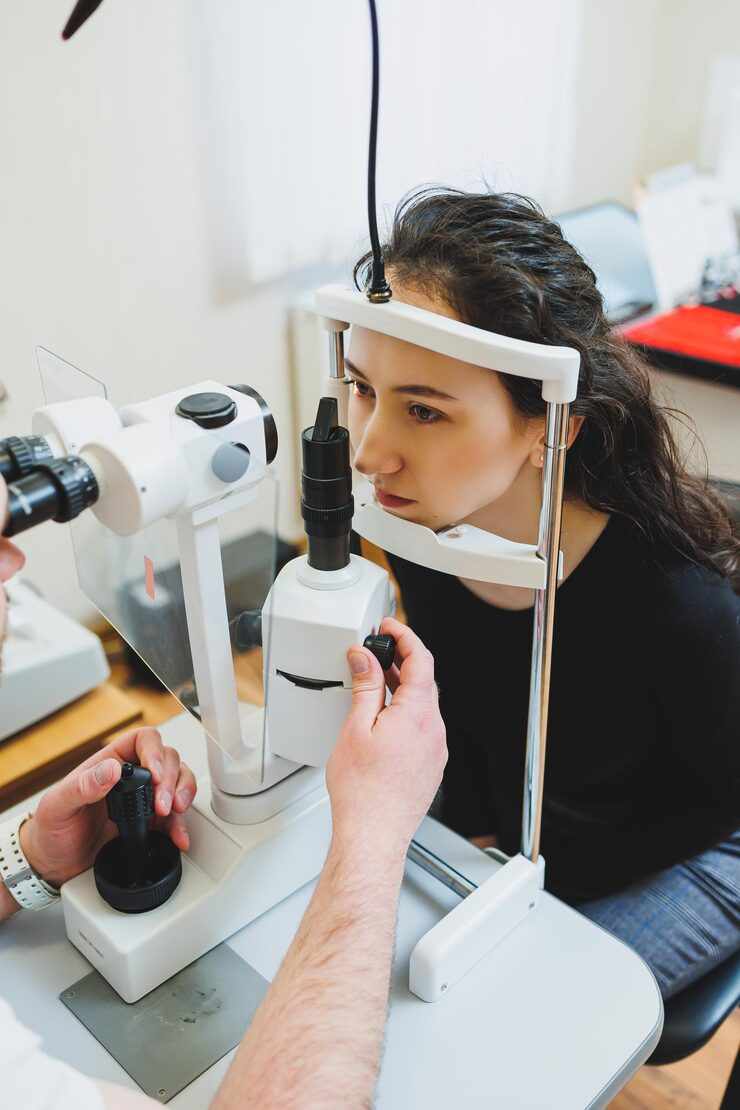
Police eye exams typically include tests for visual acuity, color perception, peripheral vision, depth perception, and eye health. Candidates may undergo both monocular (each eye individually) and binocular (both eyes together) testing. Some exams may also evaluate contrast sensitivity and night vision capabilities. These tests provide a comprehensive assessment of whether a candidate can safely perform duties that require precise vision. Optometrists conducting the exams in Mississauga use advanced diagnostic tools to ensure accurate and reliable results.
Preparing for the Exam
Proper preparation helps candidates perform at their best. Ensure your prescription glasses or contact lenses are up-to-date and in good condition. Get adequate rest the night before, avoid eye strain from excessive screen time, and maintain proper eye hygiene. Candidates should bring any relevant medical records, previous vision prescriptions, or corrective lens information. Preparation reduces anxiety, ensures accurate results, and helps candidates confidently meet the visual standards required for police work.
Understanding Vision Requirements
Law enforcement agencies have specific vision standards that candidates must meet. These standards may include minimum distance vision, near vision, and color discrimination. Candidates with corrective lenses may be permitted if their vision meets these standards when corrected. Understanding the requirements helps candidates know what to expect, identify areas that may need attention, and ensure compliance with agency regulations. Optometrists provide guidance on whether corrective measures are sufficient to meet these standards.
Common Concerns and FAQs
Candidates often have questions about eligibility, corrective lenses, or failing portions of the exam. It is important to know that minor visual deficiencies can often be corrected with glasses or contact lenses. Candidates should discuss any eye conditions, previous surgeries, or medications with the examining optometrist. Addressing concerns proactively ensures accurate testing and prevents surprises on the day of the exam. Clear communication with the eye care provider in Mississauga ensures candidates receive accurate guidance and support throughout the process.
Post-Exam Guidance
After completing the exam, the optometrist provides results and recommendations. Candidates may receive a pass, a conditional pass with corrective measures, or guidance on follow-up testing if necessary. Understanding results and implementing any recommendations ensures that vision standards are maintained and long-term eye health is preserved. Regular follow-ups may be advised to monitor any changes in vision that could affect certification or job performance.
Choosing a Trusted Optometrist for Police Exams
Selecting an experienced optometrist familiar with police eye exam requirements is essential. Mississauga clinics that specialize in professional vision assessments ensure accurate results, provide guidance on preparation, and offer corrective solutions if needed. A reliable optometrist explains the testing process, helps address concerns, and ensures candidates are fully prepared. Professional guidance increases the likelihood of success and provides peace of mind during this important step in the law enforcement career process.
Conclusion
Preparing for a Police Eye Exam in Mississauga involves understanding the requirements, ensuring proper vision correction, and seeking professional guidance. Thorough preparation, awareness of exam components, and working with an experienced optometrist helps candidates meet the visual standards required for law enforcement duties. Residents looking for expert assessment, guidance, and support during their police vision certification process can rely on Meadowvale Optometry for accurate, professional, and comprehensive eye care services tailored to meet these specialized needs.



Write a comment ...