Contact lenses offer freedom, convenience, and clear vision for many people, but achieving comfort and eye safety starts with a proper fitting. Unlike glasses, contact lenses sit directly on the eye, making professional assessment essential. Many patients searching for Contact Lenses Mississauga are curious about what happens during a contact lens fitting and whether the process is complicated or uncomfortable. The good news is that a contact lens fitting is straightforward, personalized, and designed to ensure your lenses meet your unique vision and lifestyle needs. Understanding what to expect during this appointment can help you feel confident, prepared, and informed before choosing contact lenses.

Why a Contact Lens Fitting Is Different from a Regular Eye Exam
A contact lens fitting goes beyond a standard eye exam. While a routine eye exam determines your vision prescription and checks eye health, a contact lens fitting focuses on how lenses will physically interact with your eyes. Each eye has a unique shape, curvature, and tear composition, all of which affect how contact lenses fit and feel. During a fitting, the optometrist evaluates the size and shape of your cornea to ensure lenses sit properly and allow enough oxygen to reach the eyes. This personalized approach helps prevent discomfort, dryness, and potential complications, making the fitting process an essential step for safe and successful contact lens wear.
Comprehensive Eye Health Assessment
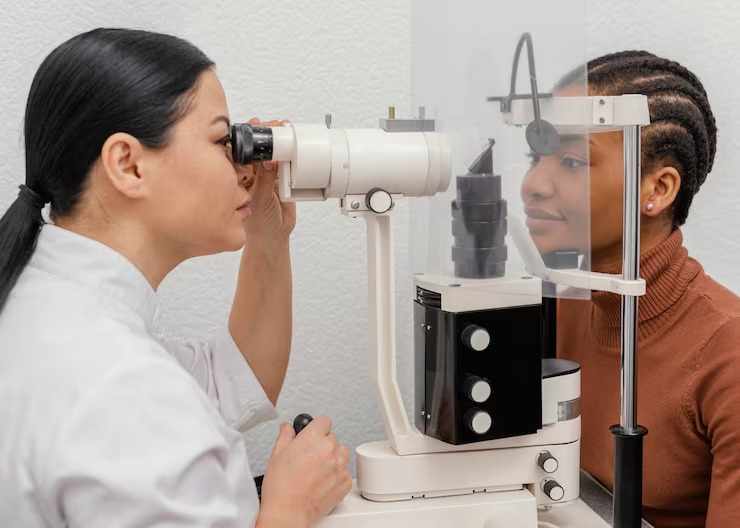
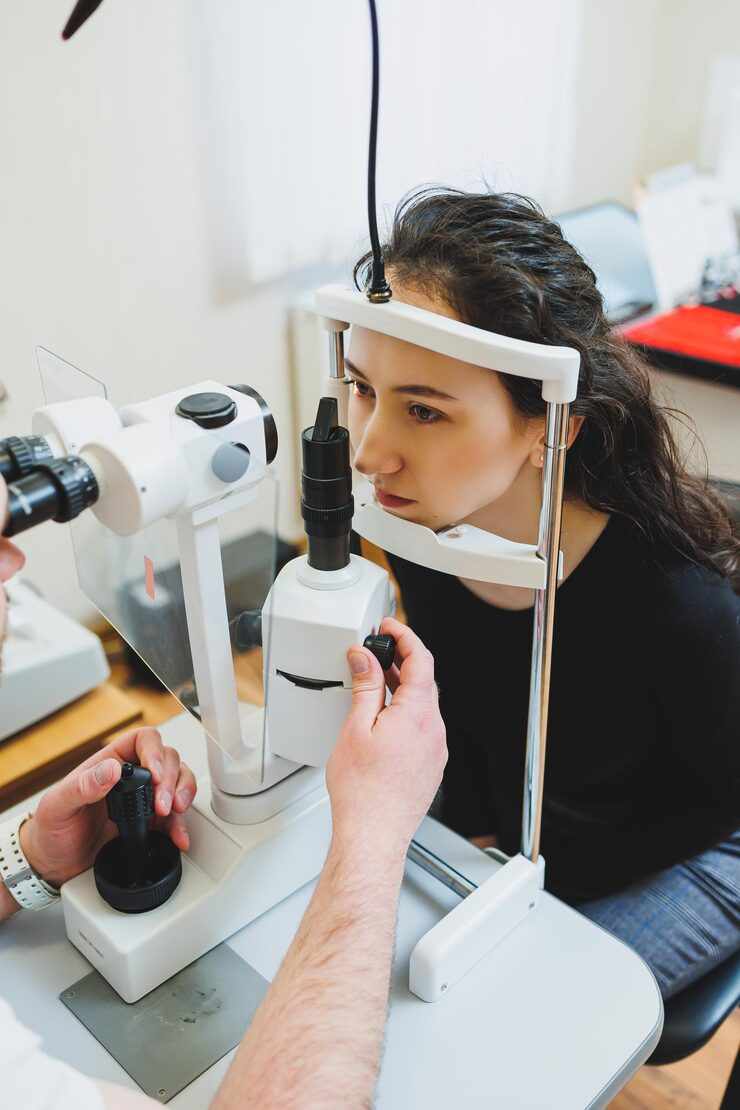
Before fitting contact lenses, the optometrist performs a thorough eye health evaluation. This step ensures your eyes are healthy enough to wear contact lenses safely. Conditions such as dry eye, allergies, or infections can affect lens comfort and suitability. The optometrist will assess tear quality, eyelid health, and corneal condition to determine the best lens options. This evaluation also helps identify any underlying issues that may require treatment before wearing contact lenses. A healthy foundation ensures a positive experience with contact lenses and reduces the risk of irritation or complications over time.
Measuring Your Eyes for the Perfect Fit
Accurate measurements are critical during a contact lens fitting. The optometrist uses specialized instruments to measure the curvature and diameter of your cornea. These measurements ensure that the lenses fit securely without being too tight or too loose. Poorly fitted lenses can cause discomfort, blurry vision, or reduced oxygen flow to the eyes. Modern technology allows for precise measurements that improve comfort and visual clarity. This step ensures your contact lenses move correctly with each blink and remain stable throughout the day. Proper measurements are key to achieving both comfort and optimal vision correction.
Selecting the Right Type of Contact Lenses
There are many types of contact lenses available, and the fitting appointment helps determine which option is best for you. Choices include daily disposable lenses, bi-weekly or monthly lenses, soft lenses, and specialty lenses for conditions like astigmatism or presbyopia. Lifestyle factors such as work environment, sports activities, and screen use influence lens selection. Daily disposable lenses are often recommended for convenience and hygiene, while other options may suit specific visual needs. The optometrist will discuss the benefits of each type and recommend lenses that align with your eye health, lifestyle, and comfort preferences.
Trial Lenses and Comfort Evaluation
Once suitable lenses are selected, trial lenses are placed on your eyes to assess comfort and vision. During this stage, the optometrist checks how the lenses sit, move, and feel. You will be asked how your eyes feel and whether your vision is clear at different distances. The optometrist may make adjustments or try different lens types to improve comfort. This step ensures that the lenses perform well before finalizing the prescription. Trial lenses allow you to experience how contact lenses feel in real time, helping ensure a positive wearing experience from the start.
Learning How to Insert, Remove, and Care for Lenses
Education is a vital part of the contact lens fitting process, especially for first-time wearers. The optometrist or staff will teach you how to safely insert and remove your lenses. You will also learn proper cleaning, storage, and replacement schedules to protect your eye health. Good hygiene habits reduce the risk of eye infections and discomfort. Patients are encouraged to practice handling lenses during the appointment until they feel confident. This hands-on guidance ensures you leave the clinic prepared to manage your contact lenses safely and responsibly.
Follow-Up Appointments and Ongoing Monitoring
Contact lens care does not end with the initial fitting. Follow-up appointments are essential to ensure your eyes are adapting well to the lenses. During these visits, the optometrist checks eye health, comfort, and vision clarity. Any issues such as dryness, redness, or blurred vision can be addressed promptly. Regular monitoring ensures long-term comfort and reduces the risk of complications. Ongoing care allows adjustments to lens type or prescription as your eyes change over time. Follow-up visits are an important part of maintaining healthy contact lens wear.
Why Professional Contact Lens Fitting Matters
Buying contact lenses without professional fitting can lead to discomfort, poor vision, and potential eye damage. A proper fitting ensures lenses are safe, comfortable, and effective for your unique eyes. Professional guidance helps you avoid common mistakes and ensures compliance with eye health standards. Optometrists provide personalized recommendations that online or over-the-counter options cannot match. Investing in a professional fitting protects your vision and enhances your overall experience with contact lenses. Expert care ensures that contact lenses improve your quality of life rather than cause unnecessary problems.
Conclusion
A contact lens fitting is a personalized and essential process that ensures comfort, clarity, and eye safety. From detailed eye measurements and lens selection to hands-on education and follow-up care, each step is designed to support healthy vision. Understanding what to expect helps patients feel confident and prepared when choosing contact lenses. For those seeking expert guidance on Contact Lenses Mississauga, Meadowvale Optometry provides comprehensive contact lens fittings, personalized care, and ongoing support to ensure your eyes stay healthy and comfortable. With professional care and the right lenses, contact lenses can be a convenient and rewarding vision correction option.





Write a comment ...